Category: Writing

  • Սեմին կանգնած՝ տեսանելիութիւն, աշխատանք եւ պատկանելիութիւն

    Սեմին կանգնած՝ տեսանելիութիւն, աշխատանք եւ պատկանելիութիւն

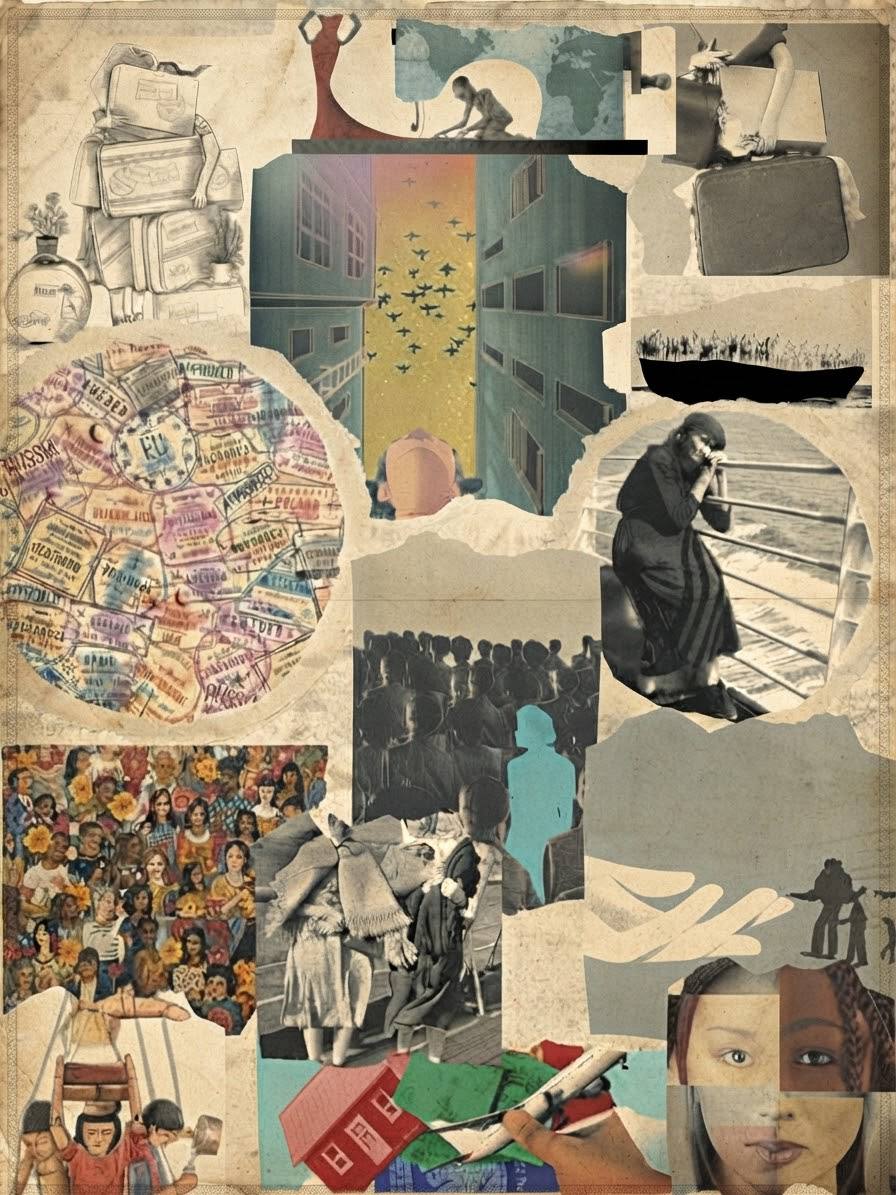
    Բեղմնաւորման պահէն սկսեալ, մարդ արարածը կը յայտնուի տեսանելի եւ անտեսանելի ցանցերու ոստայնի մէջ։ Ընտանեկան, ընկերային եւ պաշտօնական յարաբերութիւնները, ինչպէս նաեւ բնակավայրի, ապրող այլ էակներու եւ վերջապէս տիեզերքի հետ յարաբերութիւնները կը կազմաւորուին ժառանգուած եւ յարատեւ փոփոխութեան մէջ եղող ընկերային, տնտեսական, կենսոլորտային, քաղաքական եւ մշակութային գործընթացներու ազդեցութեամբ։ Միւս կողմէ, գաղթը սկիզբ կը դնէ նոր պատումի մը, որ արմատական փոփոխութեան կը մատնէ յարաբերութիւններու նշեալ ցանցերը՝ տեղափոխման հետեւանքով։ Այս յօդուածին մէջ, հատանողական (intersectional) ֆեմինիզմի տեսանկիւնէն պիտի անդրադառնամ գաղթի ներգործած փոփոխական յարաբերութիւններու ցանցի մէջ գտնուող տարբեր անձանց տեսանելիութեան, աշխատանքի եւ պատկանելիութեան ձեւաւորման հոլովոյթին եւ զանազան անհաւասարութիւններու դրսեւորման հատման եղանակին։  

    Գաղթի բերումով նոր բնակավայրը մնայուն կամ առժամեայ երկրորդ տան վերածելու ընթացքին, անհատը իր ետին կը թողու ընտանեկան պարագաներ, ընկերային շրջանակներ, սովորութիւններ, այլ խօսքով՝ իր հարազատ միջավայրը։ Ներկայ աշխարհին մէջ, գաղթականը իր նոր երկրին մէջ ողջունող առաջին տարրը դիւանակալութիւնն է (bureaucracy)։ Հայրենի տան մէջ տարիներու վրայ ձեռք բերած կարգ մը հմտութիւններ յանկարծ անպէտք կը դառնան։ Օրինակ կրնաս ըլլալ ընկերային, հարցերը արագօրէն լուծող եւ հոսանքն ի վեր թիավարող անձ մը, սակայն դիւանակալութիւնը քեզմէ կը պահանջէ սպասել եւ տարբեր փաստաթուղթերու ճամբով ապացուցել քու ընկերական եւ տնտեսական գետնի վրայ ընդունելի ենթակայ ըլլալդ։ 

    Անձնական կեանքիս մէջ, դիւանակալութեան եւ դանդաղօրէն ընթացող կառոյցներու հետ դէմ յանդիմաց գտնուեցայ, երբ ստիպուեցայ, որպէս անկախ արուեստագէտ եւ կրթիչ, ասպարէզս զէրոյէն վերակերտելու Անգլիոյ հեռաւոր գիւղական շրջանի դատարկութեան մէջ, ուր քիչեր կը ճանչնային գործս եւ ուր յարաբերութիւնները այնքան հեռու էին, որքան բնակելի տարածքները։ Ժամանակի ընթացքին նկատեցի, որ պէտք ունէի աշխատանքի թափս, ոճս եւ նպատակներս ճկուն պահելու՝ սրելով փոփոխութիւններ ընդունելու ունակութիւնս։ Թէեւ Թուրքիոյ մէջ ունեցած մասնագիտական եւ կառուցային հարցերէն մաս մը վերացած էր հոս, սակայն մտերմութեան եւ պատկանելիութեան զգացումներու բացակայութիւնը մտածել տուաւ, որ բան մը պակաս կար հոս։

    Քիչ մը դադար առի եւ փորձեցի ընկալել բարդութիւնը Անգլիոյ գիւղական այս նոր կեանքին, որ իր մէջ կը պարունակէ մշակութային նօսր բազմազանութիւն. Չգիտցայ, թէ ուրկէ՛ պէտք էր սկսէի քակել հանգուցաւոր բրդեայ գունդը։ Վերջապէս, որոշեցի սթափիլ անգործունէութենէս եւ շարունակել գործել ինչ որ գիտեմ եւ ինչ որ լաւ զգալ կու տայ ինծի։ Գարնան գալուստով հասան նաեւ զանազան փառատօններու դիմումնագիրներուս դրական պատասխան նամակներս։ Ասոնք ուրախանալի պատահարներ էին։ Այնուամենայնիւ, մինչ կ՚աշխատէի բիւրեղացնել աշխատանոցներէս մէկուն մանրամասնութիւնները, ինքզինքս գտայ ե-նամակներու տեղատարափի մը մէջ, որուն նախապէս չէի հանդիպած։ Օրերս անցուցի կարդալով եւ մէկիկ-մէկիկ պատասխանելով ընդունուած փառատօններուս նամակներուն՝ պատրաստելով մասնակիցներու համար հաւանական վտանգներու գնահատում, գերզգայնութեան հաւանական վտանգի քարտէզ եւ յաւելեալ տեղեկութիւն փոխանցող ծանուցողական ծրարներ,— պահանջներ, որոնց բնաւ չեմ ենթարկուած Թուրքիոյ մէջ գործունէութեանս տարիներուն։ Մինչ մարմինս կ՚ըմբոստանար այս գործին դէմ, հիմնականօրէն եկայ այն եզրակացութեան, որ ուրիշ ճար չունէի, պէտք էր լրացնէի դիւանակալական այս ակնկալութիւնները։ 

    Այդ օրերուն, Անգլիոյ մէջ արուեստագէտ-կրթիչ-աշխատող եռանկիւն կեանքիս կողքին, յիշեցի Թուրքիոյ մէջ փորձառութիւնս։ Մինչ մեզմէ կատարեալ ծառայութիւն ակնկալող մշակոյթի եւ արուեստի կարգ մը կազմակերպութիւններ կրնան գոհացուցիչ պայմաններ մատակարարել մեր սպառած ջանքին եւ ժամանակին համար, ուրիշներ չեն կրնար կամ չեն ուզեր այս պարտաւորութիւնը նիւթաբարոյական հատուցումով ամբողջացնել։ Թէեւ անվճար աշխատանքի առաջարկները նուազ են Անգլիոյ մէջ,— հոն, ուր գրուած է դրամատիրութեան գիրքը,— սակայն բաւական տարածուած են անվճար կամ ցած վարձատրութեամբ աշխատանքի առաջարկները, ինչպէս նաեւ՝ աշխատանքի դիմաց «տեսանելիութեան եւ ճանաչման» առիթի առաջարկները՝ մանաւանդ զարգացող երկիրներու արուեստի ոլորտներուն մէջ։ Երիտասարդ կամ անգործ արուեստագէտներու համար դիւրին չէ «ոչ» ըսելը, երբ այս աշխատանքային շահագործումը, շատ նրբագեղ կերպով զարդարուած, կու գայ իշխանութեան դիրքերուն վրայ գտնուող մարդոց կողմէ։ Յաճախ կ՚իմանանք անհատներու մասին, որոնք, պահանջած ըլլալով  իրենց իրաւունքները, բռնածածրի ենթարկուած եւ դուրս դրուած են նոյն այդ իշխանութեան դիրքերու վրայ գտնուողներու եւ կառույցներու կողմէ՝ մեղադրելով զանոնք դրամը արուեստէն վեր դասելու յանցանքով։ Պատկերացուցէք ոլորտ մը, որ կը լուսանցքայնացնէ քեզ, երբ դուն կը պահանջես ապրուստի արդար իրաւունքդ, երբ նոյն այն մարդիկն ու հիմնարկները ընկերութեան հետ կը նոյնացնեն կենցաղի, կենտերային հաւասարութեան, բնապահպանման, արդարութեան եւ նման հարցերու իրաւունքները՝ հռետորական եւ գործնական կերպերով՝ այսպիսով ապահովելով իրենց համեմատաբար առանձնաշնորհեալ եւ լուսազարդ վիճակը։ Հետեւաբար, ի՞նչը կարելի եւ յարատեւ կը դարձնէ այս հակասութիւնը,—  վերոնշեալները կատարելու համար համապատասխան վարչութիւններու շնորհուած արտօնութիւնը եւ իրենց իրաւունքներուն անիմաց եւ անպահանջ մեծամասնութեան լռութիւնը։ 

    Այս ծիրին մէջ, դիւանակալական կառոյցը, թէ՛ վարչական թէ՛ հանրային կապերու ոլորտին մէջ, կը ներգրաւէ միջնորդ դերակատարներ, որոնք իրադարձութիւնները կը ներկայացնեն շահեկան լոյսին ներքոյ՝ ստեղծելով անխափան գործունէութեան պատրանքը, անտեսանելի դարձնելով առկայ անարդարութիւնները ու ամրապնդելով այն համոզմունքը, թէ ամէն ինչ կարգին է։ Ֆրանսացի ընկերաբան եւ փիլիսոփայ Փիեռ Պուրտիոյ, որ ուսումնասիրած է, թէ ինչպէ՛ս մշակոյթի, իշխանութեան, դասակարգի եւ կրթութեան համակարգերը կը վերարտադրեն ընկերային անհաւասարութիւն, արուեստը զննած է որպէս հակամարտութիւններով լեցուն կռուադաշտ եւ առանձնացուցած է դարպասապահներու (gatekeepers) վերնախաւը, որ կ՚որոշէ, թէ ո՛վ, ինչպէ՛ս կը բարձրանայ արուեստի աշխարհին մէջ։ Այս դարպասապահները դիտմամբ կ՚անտեսեն ոմանց աշխատանքը, զարմանալիօրէն ուրիշներուն աշխատանքին լիարժէք ճանաչում կը ցուցաբերեն, քուլիսներու ետին կը շարունակեն շահագործել կարգ մը մարդոց աշխատանքը եւ որոշ արուեստագէտներունն ալ կը ձգձգեն՝ «եթէ բաւականաչափ լաւ ես» առասպելով։ Ասոնք երկարատեւ եւ ամուր դիրքերու վրայ կը գտնուին նոյն կամ նման հիմնարկներու մէջ։ Սակայն, անցեալին բաղդատելով, անոնք սկսած են կորսնցնել իրենց իշխանութիւնը՝ շնորհիւ իրաւունքներու պաշտպանութեան, բացայայտութեան, թափանցիկութեան եւ միասնականութեան նոր մշակոյթին։ 

    Ասով հանդերձ, աշխարհը անցումային շրջանի մէջ կը գտնուի. թէկուզ դանդաղօրէն, բայց համակարգը փոխակերպման ընթացքի մէջ է եւ բոլորին ընտրութիւնները կարեւոր են։ Արդեօք մենք կը զօրակցինք աւանդակա՞ն տարածներուն, որոնք կառուցային կանոնաւոր նեցուկ կը վայելեն, չեն առերեսուիր իրենց անցեալին հետ եւ պատրաստ չեն վար դնելու համերաշխութեան հոլովոյթը կամ կը զօրակցինք նպաստաւոր պայմաններ չունեցողներուն, այլընտրանքային հիմնարկներուն եւ արուեստագէտներուն, որոնք իրենց ջանքերուն համար չեն կրնար ստանալ իրենց արժանի աջակցութիւնը եւ որոնք անտեսանելի կը դառնան։ 

    Եւ ամէնէն կարեւորը, ինչպէ՞ս կրնանք մենքզմեզ ազատագրել «բաժնէ, որ տիրես» սկզբունքով համակարգի փիլիսոփայութենէն եւ յառաջ երթալ առանց իյնալու «այս կամ այն» խտրականութեան մէջ։ Այս հարցերուն կրնանք վերանայիլ հատանողական ֆեմինիզմի ոսպնեակէն, որ գրականութեան մէջ մուտք գործեց իրաւագիտութեան փրոֆեսոր Գիմպըրի Քրէնշայի կողմէ։ Հատանողական ֆեմինիզմի մօտեցումը կ՚երաշխաւորէ ոչ միայն մէկ խումբի արդար, բազմաթեմ եւ բազմազան կեանքի կիրառութիւն, այլ բոլորին՝ կեդրոնական տեղ տալով ոչ միայն կենսաբանօրէն «կին» նկատուողներուն իւրայատուկ անբարենպաստ պայմաններուն, այլեւ՝ տարբեր ցեղի կամ ազգութեան պատկանողներուն, տարբեր սեռային արեւելում ունեցողներուն կամ գաղթականներուն։ Այս ոլորտին մէջ, կեդրոնացուած, ոչ-թափանցիկ եւ խտրական դիւանակալական կառոյցները, որոնց օրինակները վերը ներկայացուցի, չեն կրնար ծառայել հատական ֆեմինիզմի կենսահամակարգին։ Արուեստի եւ մշակոյթի միջավայրին մէջ կուրատորական (curatoral) ընտրութիւնները կրնան արտացոլել հատողական ֆեմինիզմի փոխադարձ արժէքները, օրինակ՝ չնայած բոլոր դիւանակալական կշիռին, այս գարնան փառատօնները, որոնց մասնակցեցայ աշխատանոցներովս, իսկապէս ներառական եւ բազմազան էին։ 

    Յօդուածիս աւարտին, կ՚ուզեմ յիշեցնել, թէ այսօր մեր լսած ձայները եւ տեսած ստեղծագործութիւնները, կամ մեր լսել կամ տեսնել չկարողացածները, կը շարունակեն ձեւաւորել ոչ միայն իրենց կեանքը, այլեւ՝ մեր կեանը, երազանքներն ու մտաւորական աշխարհները:

    Թարգմանեց՝ Արազ Գոճայեան
  • On the Threshold: Visibility, Labor, and Belonging

    On the Threshold: Visibility, Labor, and Belonging

    From the moment human beings fall into the womb, they find themselves wrapped in a web of both visible and invisible networks. Their relationships—familial, social, and professional—along with their connections to the land they inhabit, non-human living beings, and ultimately the universe, are shaped within inherited and ever-changing social, economic, ecological, political, and cultural dynamics. Migration, on the other hand, marks the beginning of a new story that completely transforms these networks of relationships through spatial displacement. In this article, I look from the perspective of intersectional feminism at how visibility, labor, and belonging are shaped for different individuals within this network of changing relationships brought on by migration, and how various inequalities intersect.

    In the process of transforming a new location into a permanent or temporary second home through migration, a person leaves behind their circle of friends, family members, social habits—in short, the ecosystem they are accustomed to—to a large extent. In today’s world, the first element that greets migrants in their new country is bureaucracy. Certain skills you have developed over the years in your homeland can suddenly become useless. For example, you might be someone who is social, quick to resolve issues, and accustomed to working and progressing by producing despite most difficulties and impossibilities; yet bureaucracy demands that you wait, and during this process, prove with various documents that you are a socially and economically acceptable subject.

    In my own story, I encountered bureaucracy and slow-moving structures just as I realized I had to rebuild my career from scratch in the middle of a void—as an independent artist and educator in the English countryside, where only a handful of people were aware of my work, and where relationships were as distant as the living spaces themselves. Over time, I realized that I needed to keep my pace, style, and goals open to change, and to enhance my ability to adapt. Although most of the professional and structural problems I had to deal with in Turkey vanished here, the decrease in the intensity of feelings such as closeness and belonging began to make me feel that something was amiss.

    I paused and tried for a while to make sense of this emerging complexity within English village life, which has very low cultural diversity; I did not know where to start untangling this knotted ball of yarn. Eventually, I decided to snap out of my state of inaction and continue doing the things I knew best and that made me feel good. With the arrival of spring, acceptance letters began to arrive from various festivals I had applied to. This was a cause for celebration! However, while working on the details of the workshops I had designed, I found myself in the middle of a continuous stream of email correspondence spanning months—something I had never experienced before. I spent my days reading and responding one by one to emails for the festivals I was accepted into: risk assessments for workshop participants, sensory risk maps, and files to create additional promotional visuals to support workshop publicity—requests I was not used to being asked for in Turkey. As my body rebelled against the process, I fundamentally realized that I had to meet bureaucratic expectations at this point as well.

    During those days, alongside my new experiences in the triangle of artistry, instruction, and labor in the UK, I also recalled my experiences in Turkey. While some arts and culture organizations that expect flawless service from you can duly compensate artists and educators for their labor and time, others cannot—or choose not to—meet this obligation financially or morally. Although offers for unpaid work are less common in the UK, the country where the playbook of capitalism was written, offering unpaid work or proposing compensation far below market value in exchange for “visibility and recognition” is extremely widespread, especially in the art sectors of developing countries. When this exploitation of labor—handsomely packaged and served to you—comes from individuals in positions of power, it is not easy for young or unemployed artists to say “no.” We also frequently hear of individuals who demand their rights being bullied and ostracized by these very same powerful figures and institutions under the accusation of “putting money ahead of art.” Consider a sector that marginalizes you when you demand a fair living wage for your labor, while the exact same individuals or institutions share their demands for the right to life, gender equality, nature conservation, justice, and the like with society through both their rhetoric and events, thereby preserving their relatively privileged and enlightened status. So, what makes this contradiction possible and persistent? The permission granted by the relevant administrations to all of this, and the silent majorities who do not know their rights and do not demand them…

    Meanwhile, the bureaucratic structure uses intermediary actors—both in the context of management and public relations—who polish and present events in order to create the illusion that things are running smoothly, to render existing injustices invisible, and to convince everyone that everything is fine. French sociologist and philosopher Pierre Bourdieu, who researched how systems of culture, power, class, and education reproduce inequalities in society, viewed art as a contentious battlefield and spoke of an elite group called “gatekeepers” who decide who ascends in the art world and how. These gatekeepers—who deliberately ignore the labor of some, surprisingly give others their full due, continue to exploit the labor of others in the background, and stall a segment of artists with the myth of “if you are good enough”—hold fixed positions spanning many years in the same or similar institutions. However, they are losing their power compared to the past, thanks to a new culture of seeking rights, exposure, transparency, and solidarity.

    Yet the world is in a transition period; even if slow, the system is transforming, and everyone’s choices matter. Are we standing in solidarity with traditional spaces that enjoy regular structural support, refuse to confront their past, and are unwilling to give up their role as kingmakers behind a rhetoric of solidarity? Or are we supporting disadvantaged, alternative institutions and artists who cannot receive the support they deserve from the system for their labor and are rendered invisible?

    And more importantly, how can we liberate ourselves from the philosophy of a system that governs us by dividing us, and move forward without falling into the discrimination of “one or the other”? I believe we can re-examine these questions in the light of intersectional feminism, a term brought into the literature by law professor Kimberlé Crenshaw. This approach advocates for a fair, pluralistic, and diverse life practice not just for a specific group, but for everyone—placing at its center the unique disadvantages brought about not only by being biologically a “woman,” but also by belonging to a different race or ethnicity, having a different sexual orientation, or being a migrant. In this context, the centralized, non-transparent, and discriminatory bureaucratic structures I exemplified above cannot serve intersectional feminist ecosystems. In the arts and culture environment, however, curatorial choices can reflect the values of intersectional feminism; to give an example, despite all their bureaucratic weight, the festivals I participated in with my workshops this spring truly possessed inclusivity and diversity.

    As I conclude my writing, I would like to remind us that whose voices we hear today and whose creations we see—or fail to hear and see—continue to shape not only their lives, but also our own lives, dreams, and intellectual worlds.

    *This writing has been published on October 8th, 2026 at Agos Weekly Newspaper in Parhessiapar collum

  • Eşikte: Görünürlük, Emek ve Aidiyet

    Eşikte: Görünürlük, Emek ve Aidiyet

    İnsan ana rahmine düştüğü andan itibaren görünen, görünmeyen ağlar içinde bulur kendini; ailevi, sosyal, mesleki ilişkileri ile üzerinde yaşadığı toprak, insan olmayan canlılar ve nihayetinde evren ile olan ilişkisi, miras aldığı ve hâlihazırda değişen sosyal, ekonomik, ekolojik, politik ve kültürel dinamikler içinde şekillenir. Göç ise bu ilişki ağlarını yer değişimi ile tamamen başkalaştıran yeni bir hikâyenin başlangıcına işaret eder. Bu yazıda, göçle birlikte değişen bu ilişkiler ağında görünürlük, emek ve aidiyetin kimler için nasıl şekillendiğine ve farklı eşitsizliklerin nasıl kesiştiğine kesişimsel feminizm perspektifinden bakıyorum.

    Göç ile birlikte yeni yerin kalıcı ya da geçici bir ikinci eve dönüşüm sürecinde kişinin arkadaş çevresi, aile bireyleri, sosyal alışkanlıkları, kısacası alıştığı ekosistem büyük oranda geride kalırken bugünün dünyasında göçmeni yeni ülkesinde karşılayan ilk unsur bürokrasidir. Memleketinizde yıllarca geliştirdiğiniz bazı becerileriniz bir anda işe yaramaz konuma düşebilir. Örneğin siz sosyal, sorunlara hızlı çözüm bulan ve çoğu zorluk ve imkânsızlığa rağmen üreterek ilerleyen bir yapıda çalışan biri olabilirsiniz ve bürokrasi size beklemeyi, bu süreçte de sosyal ve ekonomik olarak makbul bir kul olduğunuzu çeşitli evraklarla ispatlamanızı talep eder.  

    Ben kendi hikayemde, bürokrasi ve ağır işleyen yapılar ile İngiltere kırsalında bağımsız bir sanatçı ve eğitmen olarak az sayıda insanın yaptığım işten haberdar olduğu, ilişkilerin yaşam alanları gibi mesafeli olduğu bir boşluğun ortasında kariyerimi baştan inşa etmem gerektiğini anladığım sırada karşılaştım. Zaman içinde çalışma ritmimi, biçimimi ve amaçlarımı değişime açık tutmam, adaptasyon becerimi geliştirmem gerektiğini fark ettim. Türkiye’de çözmem gereken çoğu mesleki ve yapısal sorun burada yok olup gitmesine rağmen, yakınlık ve aidiyet hissi gibi duyguların yoğunluğundaki azalma bana birşeylerin yolunda gitmediğini hissettirmeye başladı.

    Ortaya çıkan bu yeni karmaşıklığı, kültürel kimlik çeşitliliği oldukça düşük olan İngiliz köy hayatı içinde durup bir süre anlamaya çalıştım; düğüm olmuş bir yün yumağını nereden çözmeye başlayacağımı bilemedim. Sonunda eylemsizlik halinde çıkıp bildiğim ve bana iyi gelen şeyleri yapmaya devam etmeye karar verdim. İlkbaharla birlikte başvurduğum çeşitli festivallerden kabul mektupları gelmeye başladı. Bu kutlanası bir gelişmeydi! Ancak, tasarladığım atölyelerin detayları üzerine çalışma devam ederken, yine daha önce hiç deneyimlemediğim, aylara yayılan, devamlı bir e-posta trafiği içinde kendimi buldum. Türkiye’den sorulmasına alışık olmadığım atölyenin katılımcılar için risk değerlendirmesi, duyusal risk haritası, atölye tanıtımına destek için ek tanıtım görseli üretebileceğim dosyalar…Günlerim kabul edildiğim festivaller için bu mailleri tek tek okuyup, yanıtlamakla geçti. Bedenim sürece isyan ederken, özünde bu noktada da bürokratik beklentileri karşılamam gerektiğini anladım.  

    O günlerde sanatçılık-eğitmenlik ve emek üçgeninde İngiltere’deki yeni deneyimlerimin yanı sıra Türkiye’deki deneyimlerimi de anımsadım. Sizden kusursuz hizmet bekleyen, kültür sanat organizasyonlarının bir kısmı; sanatçı ve eğitmenin verdiği emek ve zamanın karşılığını hakkıyla verebilirken bir kısmı ise bunun karşılığını maddi ve manevi olarak karşılayamıyor ya da karşılamamayı seçiyor. Kapitalizmin kitabının yazıldığı ülke olan İngiltere’de ücretsiz çalışma tekliflerine sık rastlanmasa da özellikle gelişmekte olan ülkelerin sanat sektörlerinde görünürlük, tanınırlık karşılığı ücretsiz iş teklif etmek ya da ederinin çok altında ücret önermek çok yaygın. Oldukça şık bir şekilde paketlenerek önünüze konan bu emek sömürüsü güç pozisyonunda olan kişilerden geldiğinde genç ya da işsiz sanatçıların “hayır” demesi çok kolay olmuyor. Hakkını talep eden kişilerin yine güç pozisyonundaki kişi ve kurumlarca parayı sanatın önüne koyma suçlaması ile zorbalanıp dışlanmasını da sıklıkla duyuyoruz. Bir sektör düşünün, emeğinizin karışlığını insanca yaşayabilecek bir düzeyde talep ettiğinizde sizi marjinalleştirirken yine aynı kişi ya da kurumlar yaşam hakkı, cinsiyet eşitliği, doğayı koruma, adalet vb. taleplerini gerek söylemleri gerekse yaptıkları etkinlikleri ile toplumla paylaşıp görece ayrıcalıklı, aydın konumlarını koruyorlar. Peki bu çelişkiyi ne mümkün ve devamlı kılıyor? İlgili yönetimlerin tüm bunlara izin vermesi, haklarını bilmeyen, talep etmeyen, sessiz çoğunluklar…

    Bu esnada bürokratik yapı; işlerin sorunsuz yürüdüğü yanılsamasını yaratmak, mevcut adaletsizlikleri görünmez kılmak ve her şeyin yolunda olduğuna inandırmak için olayları parlatarak sunan ara aktörleri kullanıyor hem yönetim hem de halkla ilişkiler bağlamında. Kültür, iktidar, sınıf ve eğitim sistemlerinin toplumdaki eşitsizlikleri nasıl yeniden ürettiğini araştıran Fransız sosyolog ve filozof Pierre Bourdieu, sanatı çatışmalı bir savaş alanı görürken, sanat dünyasında kimin nasıl yükseleceğine karar veren “gate keepers” – eşik bekçisi – adlı elit bir kesimden bahseder. Kimilerinin emeğini bilinçli olarak görmezden gelen, kimilerine şaşırtıcı biçimde hakkını tam olarak veren, birilerin de emeğini arka planda sömürmeye devam eden ve bir kısım sanatçıları da “ yeterince iyi isen” miti ile oyalayan bir kısım eşik bekçilerinin aynı ya da benzeri kurumlarda, uzun yıllara dayalı sabit konumları yeni hak arayışları, ifşa, şeffaflık ve dayanışma kültürü ile gücünü geçmişe göre kaybediyor.

    Ancak dünya bir geçiş döneminde, sistem ağır da olsa dönüşürken hepimizin seçimleri önemli. Düzenli yapısal desteği olan, geçmişiyle yüzleşmeyen, dayanışma söylemi arkasında oyun kuruculuğunu bırakmak istemeyen, geleneksel alanlarla mı dayanışıyoruz; yoksa sistemden emeği karşılığı hak ettiği desteği alamayan, görünmez kılınan, dezavantajlı alternatif kurum ve sanatçılara mı destek oluyoruz?

    Ve daha önemlisi bizi ayrıştırarak yöneten sistem felsefesinden özgürleşip biri ya da diğeri ayrımcılığına düşmeden nasıl ilerleyebiliriz? Bu sorulara hukuk profesörü Kimberle Chenshaw tarafından literatüre kazandırılan kesişimsel feminizim ışında yeniden bakabileceğimize inanıyorum. Bu yaklaşım sadece biyolojik olarak “kadın” olanları değil; farklı ırk veya etnisiteden gelmenin, farklı cinsel yönelime sahip olmanın ya da bir göçmen olmanın getirdiği benzersiz dezavantajları merkeze alarak, belli bir grup için değil, herkes için adil, çoğulcu ve çeşitlilik içeren bir yaşam pratiğini savunuyor. Bu bağlamda yukarda örneğini verdiğim merkeziyetçi, şeffaflıktan uzak ve ayrımcı bürokratik yapılar kesişimsel feminizm ekosistemlerine hizmet edemez. Kültür sanat ortamında ise küratöryel seçimler kesişimsel feminizm değerleri yansıtabilir; örnek vermek gerekirse tüm bürokratik ağırlığına rağmen bu ilkbahar atölyelerim ile yer aldığım festivaller gerçekten kapsayıcılık ve çeşitlilik barındırıyordu.

    Yazımı bitirirken bizlerin bugün kimlerin sesini duyduğumuzun, üretimlerini gördüğümüzün ya da duyamadığımız, göremediğimiz sadece onların değil bizlerin de hayatını, düş ve düşün dünyasını şekillendirmeye devam ettiğini hatırlatmak istiyorum.

    *Bu yazı 8 Ekim 2026 tarihinde Agos gazetesi Parhessiapar köşesinde yayınlanmıştır

  • MA Thesis

    MA Thesis

    Experiencing Armenian Language Through Ecosomatic Interdisciplinary Performativities
    A Practice-Based Research Project, 2023

    Original research developed: 2023
    Published online: 2026

    This practice-based research was developed in 2023 as part of my MA research. It explored how participatory performance and embodied movement can become ways of experiencing language, cultural memory, ecological relationships and empathy.

    Research Questions

    • Can language be learned through the body?
    • How can participatory performance support language learning?
    • Can embodied language practices foster cultural empathy?
    • What happens when language is experienced through movement, sound and ecological relations?

    Experiencing Armenian Language Through Ecosomatic Interdisciplinary Performativities

    Practice-Based Research, 2023

    How can participatory performance* contribute to language learning, cultural diversity, empathy and ecological awareness?

    In 2023, I developed a practice-based research project exploring how language might be experienced not only through speaking, reading and writing, but also through movement, sensation, performance, cultural memory and ecological relationships.

    Experiencing Armenian Language Through Ecosomatic Interdisciplinary Performativities brought together creative dance, participatory performance, embodied learning, ecosomatics and cultural memory. The research asked how interdisciplinary performance might become a space for learning, communicating and relating differently.

    The research emerged from a decolonial and new materialist perspective and questioned educational approaches that position learning primarily as the transmission of knowledge. Instead, I explored learning as something that can happen through participation, bodily experience, sensory attention, interaction and relationships with human and more-than-human environments.

    At the centre of the research was Western Armenian, my mother language. I chose the language both because of its relationship to my own cultural and familial history and because of its endangered status. The history of displacement and dispersion of Armenian communities has had profound effects on the transmission and contemporary development of Western Armenian. I was interested in approaching the language not only through its history of loss, but also as a living, playful and embodied language.

    Language through the body

    Participation was central to the research process. Participants joined rehearsals, contributed their artistic responses and later entered the performance itself. They were invited to draw, compose, communicate, dance, improvise, learn, sense and reflect.

    This approach was informed by embodied cognition, which emphasises the relationship between bodily and sensorimotor experience and the ways we acquire and represent knowledge. Rather than treating the body as separate from cognitive learning, I explored how movement and sensory experience could become part of the learning process.

    Performative pedagogy similarly provided a framework for understanding learning as something created collectively. Through performance, knowledge can become experiential, expressive, visual, visceral, spatial, temporal, affective and somatic.

    My question was therefore not simply Can movement help someone remember a word? It was broader:

    What happens when a language is encountered as a bodily, sensory, cultural and ecological experience?

    Ecosomatics and the more-than-human

    The research extended somatic practice towards ecosomatic relationships. Ecosomatics considers the embodied self as connected with and continuous with the embodied natural world, inviting attention not only to our own bodies but also to more-than-human bodies and environments.

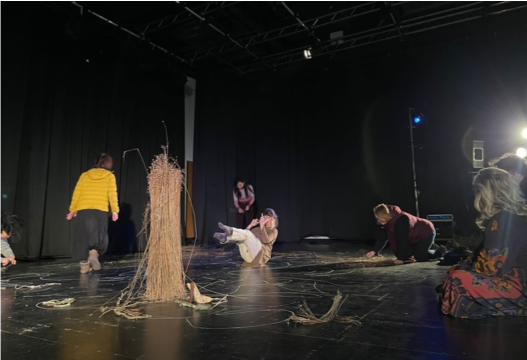
    For the performance, I worked with plant materials from Dartington Estate, including flax, dried yarrow, bark, moss and branches.

    Flax became particularly significant. Its movement, sound, shape and texture affected the way I experienced my own body in relation to the performance space. As I covered parts of my body with flax, I began to experience a sense of the plant and human bodies becoming intertwined.

    The plants also became active elements in the participatory space. Their forms helped reshape the stage and created temporary symbolic homes. Participants interacted with the plant materials while constructing their own spaces, allowing the plants to become mediators between body, environment, memory and imagination.

    The performance therefore moved beyond representing nature. I was interested in creating a situation in which the environment could become part of the learning and relational process itself.

    Displacement, memory and mapping

    My grandfather Stephan Babikyan’s displacement story of 1915 became another central element of the performance.

    I explored words emerging from his story through my own body. I performed, sensed and responded to these words through movement and then translated my embodied responses into lines drawn with chalk on the floor.

    Mapping became a way of thinking about displacement, identity and the creation of new spaces as home. Rather than reproducing a story of displacement only as loss, I explored how a new map, a new space and a new sense of belonging might be created through embodied participation.

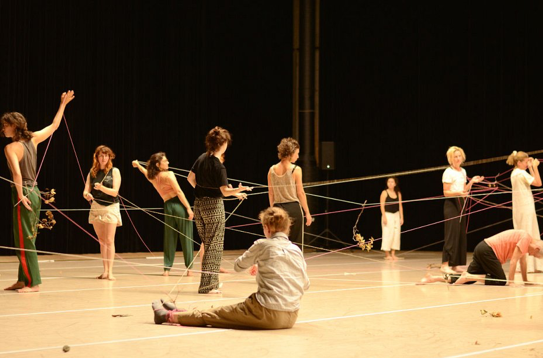
    During the performance, participants were invited to take chalk and create their own pathways on the floor. The map consequently became something collectively produced rather than something predetermined.

    The audience gradually became part of the performance space. Participants walked together, paid attention to one another, sensed their pathways, made eye contact and experimented with non-verbal forms of connection.

    This created a form of communal embodied listening.

    Empathy and cultural connection

    Participants’ responses suggested that movement and participatory performance could create connections between personal and collective memories.

    After the performance, although majority words I have used during the perfomance was Western Armenian, participants abled to understand the context and wrote about their grandparents, ancestors, stories of injustice, resilience, freedom, earth, peace, home, challenge and connection. Some also connected their responses to words such as wheat and field.

    These responses were significant because the research was not attempting to teach Armenian culture as a fixed body of information. Instead, it invited participants to encounter another language, history and cultural experience through their own bodies and memories.

    I was particularly interested in the possibility that attending to human diversity might also affect the way we attend to the more-than-human world.

    Dance as cultural transmission

    Another part of the performance involved Armenian folk dance.

    I worked with Armenian folk dance specialist Hagop Güleç in Istanbul to explore dances connected with plants. I selected Tzagatsori Bar, or the Valley of Flowers, and introduced the movement vocabulary and its meanings to the participants.

    Rather than presenting the dance as a finished cultural form for an audience to observe, I taught the movement and eventually invited participants to dance together in a circle.

    In this way, cultural knowledge was transferred through bodily participation. Dance became a way of encountering history and culture through doing, sensing and relating rather than through observation alone.

    Continuing the research

    This 2023 research became an important foundation for my continuing exploration of language, movement, cultural memory and embodied learning.

    The questions that emerged through this project continue to inform my practice: how can language be experienced through the body? How can movement create encounters between different histories and cultures? How might embodied learning support empathy and ecological awareness? And how can performance become a space where people do not simply receive knowledge, but participate in creating it?

    My ongoing work with the Armenian alphabet develops these questions further, exploring letters as visual, spatial, sonic and embodied forms and continuing my investigation into the relationship between language, movement, memory and belonging.

    The 2023 project therefore remains an important point of departure in my practice-based research: an attempt to bring language learning, dance, cultural memory and ecological awareness into the same experiential space.

    Original research developed in 2023.

    A longer 2,000-word version of the research text, including references and further documentation of the performance, is available upon request for academic, research and collaborative purposes.

    * The details and the link of the performance trailer video can be found in bellow

  • Kintsugi Touch to Life

    Kintsugi Touch to Life

    Part 1: Existence

    A drop of water percolated

    though the trans lucifer layers of the universe,

    surrendered her body to the inevitable power of the gravity

    and let her body fall, fall and fall though the lap of the Gaia

    During this journey she heard giggles, laments, howls, hoots, horns,

    She sensed the smell of spring, also the polluted air,

    saw the luminesces of the sea and tepid appearance of cement buildings…

    She embraces the cluster of this duality by remembering her sheer embodied nature

    She was aware of her unifying, purifying and healing notion and the touch which would be the main mediator in this passage through interwoven connection…

    Part 2: Recuperation

    Kintsugi Touch to Life

    Touch has many faces; corporal, visual, literal, auditory and ecologic touch are some of them…In the spring of 2022 I have received my first touch by Schumacher Collage in Reimagining Education Festival. Schumacher Collage was opening me a wide, wise and humble gate to manifest the interelational world of art, nature and science. Shortly after that, I become part of Movement, Mind, Ecology MA program. There I had kintsugi kind of experience where inherited vulnerabilities, damages of colonial systems and academic cracks were filled though experiential compassioned action of learning, research, creativity and science with ethics of care to all living beings instead of a gold powder.

    I grew up in Turkey where being vulnerable is considered mostly as a cursed state, related with weakness, failure and abandonment. However, in the last decade well accepted psychologists verify being vulnerable as a normal result of unpredictable, risky situations, instead of labelling it as a weakness. The perception of the word has started to change in the word of mouth of societies.  

    Brené Brown who claims “vulnerability is the birthplace of innovation, creativity and change” has been inviting us see vulnerability form a new direction which might lead us to recovery, resilience and empowerment. Schumacher Collage had likewise approach to our vulnerabilities too; It has been an institute which works through the perspective of unity, sustainability, recycle, creativity and this approach was not only applicable for material world but emotional, moral word of humans, more than human world as well.

    As walked to Schumacher Collage’s gate I was literally traumatized of being undermined and unrecognized in my academic life in my home country. As a professional educator with many years of experience in formal and non-formal school settings, I was having difficulty to accept unequal, disregardful behaviours of tutors, directors who are in power in higher education institutions. Sadly, discrimination and sometimes censorship has been already accustomed, even accepted as the right of the person who was highest level of that vertical hierarchy, by the students and some of the tutors as well. I could see that my two years of research with different advisors was losing its significance by arbitrary reasons of procrastinations by the head of the department. I was being precluded to graduate from that master’s program like many others. Furthermore, having another shock from the silence and/or ignorance to my brutal experience by the majority of my dance colleagues too.

    Back then, while I was redefining, what is real friendship in connection to ethics of care and reshaping my life, I also started to write a book on creative dance pedagogy mainly for children and let myself to be an independent researcher. However, I was exposed to systematic invisibility like many who are “the other” who thinks different, manifests different, behaves different then mainstream in a non-inclusive environment. Eventually when my book has been published, which was one of the rare productions in this field in Turkey; never received any oral or written feedback about my book from those circles. French philosopher and psychoanalyst Anne Dufourmantelle’s following words from her book “In Praise of Risk” was resonating with my awakening process; Disobedience is the traversal of mirages, a manner of light heartedly breaking bonds, because one has agreed to lose everything, including life. The places and people where I were feeling the belonging was diminishing day by day, I was sensing there was not any future for me there.

    This was partly the story behind my graduation piece, which was an act of re-gaining freedom for me.  I started my research; dove in between generations, words, lines, plants, languages, states and related cluster of emotions inspired by my grandfather’s displacement story. During the process of making this piece I was not alone; flaxes, fallen barks, dried leaves and mosses that I found from Schumacher Collage campus were with me on the stage. Their resilience, flexibility and transformation were reminding me everlasting change of the life, forms and stories.

    My research in Schumacher Collage been nourished by regenerative cycles of ecologic life, history, alternative pedagogies, ecosomatic practices and ecojustice approach, indigenous languages and inclusive, participatory approach to performing arts filed. My advisor Dr. Rachel Sweeny and tutor Dr. Marie Hale were holding the space tenderly for my curiosity and giving me the support by remarkable suggestions such as how to use the action research as a scientific method and ethics of the research. Additionally, Satish Kumar’s extremely humble, attentive existence in the campus, the way he listens us has been catalysing the mission of Schumacher Collage.

    In January 2023, I got invitation to run a volunteer ecosomatic workshop Dr. Rachel Sweeny for students, happily I accepted this idea to share cumulative information and experience, resourced by my studies in Movement, Mind, Ecology MA program. Some of the participants has arrived with a bit of hesitation to dancing and moving; however, they trust the process, listen the space, their bodies and the bodies of ecologic beings; they move with them or being moved by them in their creative expressions.

    Figure 1 Moment from ecosomatic workshop, January 2024, Dartington, Studio 6

    Next days, Schumacher Collage students and volunteers, some of my students and colleagues from Istanbul become part of my action research. They reflect and “I“ compose, reshape and create my performative, embodied, participatory graduation piece.

    Here I would like to give a short break to my writing by digging in to “I”;

    I can once again see from my experience
    I have explained above the big “I” is actually “We”;
    we – Schumacher Collage, founders, students, snow drops, trees, mosses, research participants, tutors, Julia’s Kitchen Henri’s Field, flaxes, volunteers, office staff and many more…

    Part 3: Action

    I expanded “we” by my participatory performance as a graduation piece; audience did not only watch the performance but hear, move, touch, create and connect. I have performed that piece in Small is Beautiful Conference, Dartington 2023, then in Impulstanz Festival-Lace Symposium, Vienna, 2024 in a lecture performance format.

    Figure 2 Performing my graduation piece "Carthographic Echoes" in Small is Beautiful Symposium, March 2024

    Figure 2 Performing my graduation piece “Carthographic Echoes” in Small is Beautiful Symposium, March 2024

    Figure 3 Carthographic Echoes as a participatory, lecture performance,Impulstanz-Lace Symposium, Vienna, August 2024

    Figure 3 Carthographic Echoes as a participatory, lecture performance,Impulstanz-Lace Symposium, Vienna, August 2024

    During that period, I was also applying to performing arts festivals in Turkey, nonetheless getting rejections. I had something to share with my homeland and I did not want to give it up. Eventually I arranged a performance for December 2024 in a stage called Duende Theatre, Istanbul. Before my journey to Istanbul, I did an open rehearsal; Schumacher Collage Alumni has joined and gave wonderfully constructive, helpful feedback by using the method of Critical Response Process by Liz Lerman.

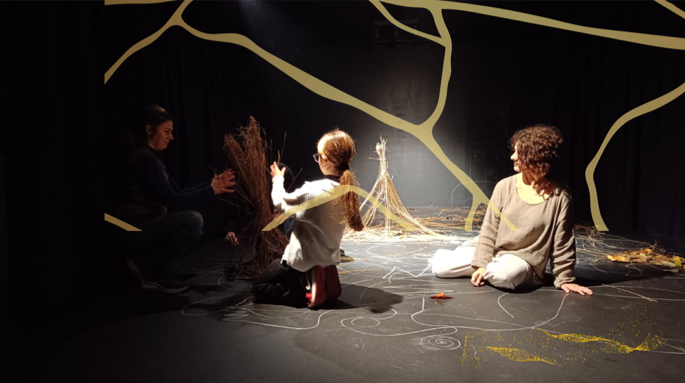
    Finally, I was feeling ready to share the Schumacher Collage values with the people in Istanbul. Although I met some difficulties during rehersal period as an independent artists on some practicalities; participation of the audience added more layers to the process by changing the space, widening the multidisciplinary connection and communication in between us. Displacement is globally unpleasant topic to interact, once I started to perform, I felt myself and audience has transformed to weavers who waves different yarns, textures, colors, lines, wishes and stories and eventually we able to move beyond the story.

    Figure 4 Moment from Cartographic Echoes, Duende Theater, Istanbul, December, 2024

    Figure 4 Moment from Cartographic Echoes, Duende Theater, Istanbul, December, 2024

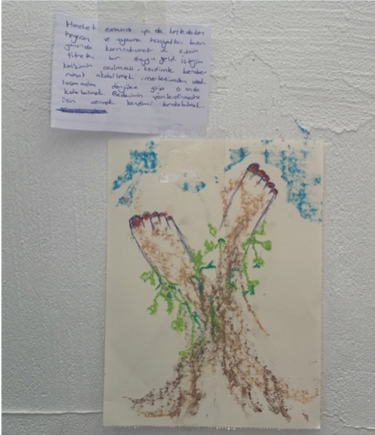
    After the performance all of the audience wanted to stay for written feedback session about the experience they have just joined and/or witnessed. They wrote 15 minutes in a collective silence, you can see some of them below. However even after writing they did not want to leave the theatre, then we had Q&A session where people shared their ideas and feelings about the performance and the relationality of life, politics and environment too.

    “I felt myself like in an art therapy session”

    “..home and belonging feels warm…”

    “..reminded me the games I played when I was a child…”

    “in case to feel the power of starting again from the point where you fall down, you need to get support from the floor/earth”

    “..feeing the soul of the forest..”

    “…Anna Halprin’s home studio..”

    I always believe in the necessity and the benefits of community art experiences. The elongations in time that we experienced after the performance was revelled their need to share their expressions and give a voice in the community.  Today we-artists- need places which have inclusive and democratic management structures to align with the values of participatory art practice. Also, being aware of the politics of visibility, sometimes make counter actions then mainstream choices will open bring us new dimensions, multicultural encounters and support the democracy culture as well.

    Part 4: Spiralling

    Shortly after my graduation, I started to engage ecologic values, elements and aspects to my Creative Dance Teacher Training program which helped me to shake and reshape the program by being “Ecology Based”. I constructed some of the session of the training in forests of Istanbul where participants able to observe, connect and reflect the nature though dance and movement.

    Over six months the group has experienced many moments of experiential, body-based learning, creativity, sharing, collaborating and astonishment too. For example, one of my students felt touched a lot when she learned about the animal called Tardigrade (water bear), ashamed of her judgements to this species’ body shape and eventually start to cry while learning more about this animal’s features. Followingly, she developed deep admiration and love to the Tardigrade

    Figure 5 Reflection from a student of Ecology Based Creative Dance Teacher Training Workshop, Istanbul, Cati Dans, July 2024

    Figure 5 Reflection from a student of Ecology Based Creative Dance Teacher Training Workshop, Istanbul, Cati Dans, July 2024

    That moment was not just transformative for her but touched each of us in the group as well. In their graduation performance they slowly occupy the space like meadows. While minimal music and a Zen poetry was accompanying them, they were performing their solos, duos and group dances.

    Part 5: Landing

    It takes such a long time for me to finish this writing, many times I found myself in front of computer and could not move, write or  edit…It was challenging for me to go back to those days of darkness; I had struggled a lot with asking many times similar questions to heal my pain, trying to find right answers for the way out from that narrow, boggy geography. Schumacher Collage has opened the doors of relief, empowerment, recovery and I was able to reclaim my passionate actions on arts, academics and ecology.

    I can admit that, this writing is a farewell to those painful geographies; I am feeling the transformation of my heart from a rock to tranquil, bright, blue sea with no regret, revenge or fear inside.

    Have you ever said goodbye to place or a state? Did you look around for last time? remembering moments, memories, emotions and shades… Here I am celebrating my story of embodying pedagogy, performance and ecology from new perspectives and share my experience as well, while remembering the possibility that maybe the geography did not change but the seeds, their sprouts are on their way to trees…May all embrace life with love and serendipity…

  • Նոր կեանքի մէջ ամբողջականութեան ձգտումով. սահմաններ եւ նուրբ գիծեր

    Նոր կեանքի մէջ ամբողջականութեան ձգտումով. սահմաններ եւ նուրբ գիծեր

    Լեռնա Պապիկեան

    Անգլիոյ փոքրիկ գիւղի մը մէջ նոր կեանք մը կը սկսիմ եւ նոր-նոր կը սկսիմ հասկնալ, թէ հոս տեղափոխուած եմ՝ ամուսնոյս հետ հիւսած մեր կեանքով։ Յաճախ երախտագիտութեամբ կը դիտեմ դուրսի անդադրում տեղատարափ անձրեւը, իսկ երբեմն ալ անձրեւուն տակ կը քալեմ,– ջուրի տարրերուն հետ շփումի մէջ մտնելս միտքս կը հանգստացնէ։ Կը դիտեմ հաւաքուած ու անսպասելի տեղերէ վազող ջրուղիները, ումպ մը առնելու համար յանկարծ ջրափոսիկին մօտեցող կարմրալանջիկը եւ ճամբուն թացին մէջ արտացոլացող ամպերուն շարժումը։ Այս դիտարկումներու ընթացքին, կը հանգստանամ՝ նկատելով ջուրի հոսանքին թրթռացումները եւ իմ ներքին «ջուրերուս» մարմինիս մէջ հոսիլը. մկաններուս պրկուածութիւնը տեղի կու տայ աւելի փափուկ հիւսուածքներու։ Ապա լոյսը կը բացուի ու ես կը զննեմ փոփոխուող լոյսին ստեղծած զգացումները բնապատկերին եւ իմ վրաս, կեանքը ընկալելու ձեւիս փոփոխութիւնը եւ տարբեր արարածներու՝ ջուրին նման լոյսին ունեցած յարափոփոխ յարաբերութիւնները։ Երբեմն մարմինս կը յանձնեմ ծառերուն, ճիւղերուն, թուփերուն շարժումին՝ ազատօրէն օրօրուելով եւ նետուելով բնութեան մէջ։ Զգալս, թէ մարմինիս եւ զգացումներուս ընդմէջէն գոյութիւն ունիմ իբրեւ բնութեան հաւասար մաս մը, կ՚ամրապնդէ ինքնավստահութիւնս եւ ամբողջականութիւնս։ Աւելին, այս տարածքին մէջ, ուր չկան իւրութեան եւ իշխանութեան հասկացութիւններ, այլ էակներու հետ հաւասար կեանք մը բաժնելը կը զարգացնէ մարտահրաւէրներու դիմաց դիմադրողականութիւնս։ 

    Առաջին յատկութիւնը, որ զիս բլուրներու միջեւ հանգչած այս փոքրիկ գիւղը տարաւ, Լոնտոնի նման հանրածանօթ մայրաքաղաքին փոխարէն, դպրոցն էր, ուրկէ ստացած էի մագիստրոսականս։ Ան բնապահպանական առեւելումով հիմնարկ մըն է։ Հոն է, որ ես բնամարմնական (ecosomatic) կիրառութիւններու եւ անոր վերաբերեալ գրականութեան ծանօթացայ։ Բնամարմնական ուսումնասիրութիւնները կը միտին վերականգնել մարդու մարմնին եւ բնութեան միջեւ գիտակից կապը։ Ի տարբերութիւն բնութեան մէջ կատարուած աւանդական աշխատանքներուն, բնամարմնական աշխատանքը մարմինն ու բնութիւնը չ՚օգտագործեր որպէս ստեղծագործութիւնը զարգացնելու կամ բարօրութեան հասնելու գործիք, այլ առաջնահերթութիւն կու տայ համատեղ կեանքի փորձառութեան զգացումին՝ յիշեցնելով մեզ մեր ներքին եւ էական փոխկապակցութիւնը։ Անշուշտ, կարելի է նաեւ զարգացնել մեր ստեղծագործականութիւնը եւ լաւ զգալ մեր յայտնաբերած նոր հեռանկարներու միջոցով։ 

    Բնամարմնական աշխատանքները, որ նաեւ փորձառական ուսուցման աշխատանքներ են, սկսած են մեծապէս օգտագործուիլ աշխարհի չորս դին, պարի մարզին կողքին զանազան մարզերու մէջ, ինչպէս՝ հոգեբանութեան, կրթութեան, արուեստի միջոցով բուժման, ճարտարապետական գծագրութեամբ բուժման եւ կլիմայական գործունէութեան։ Բնամարմնական աշխատանքները կը զարգացնեն տարբեր հմտութիւններ, ինչպէս՝ զգայական իրազեկութիւն եւ կարեկցանք, ու կրնան օգնել «միւս»-ին հետ կորսուած կապը վերականգնել։ 

    Այս սորված հմտութիւններս տարիէ մը ի վեր ներառած եմ 2015-ին Պոլսոյ մէջ հիմնած «Ստեղծագործ պարուսոյցներու վերապատրաստման աշխատանոց» ծրագիրիս մէջ։ Միաժամանակ առցանց եւ անձամբ կատարած դասապահերէս մէկուն ընթացքին, երբ ցոյց կու տայի ջրային արջին յամրաքայլերը, աշակերտներէս մին սկսաւ լալ. ան ըսաւ, որ խոր զղջում զգացած է ջրային արջին հանդէպ ունեցած նախապաշարումներուն համար՝ պարզապէս քանի որ չէր հաւնիր անասունին արտաքինը։ Այս առճակատումը առիթ ստեղծեց, որ ան իսկապէս զգայ առօրեայի եռուզեռի մէջ իրար հանդէպ մեր ունեցած նախապաշարումները եւ իրերամերժումները՝ անհատական թէ՛ ընկերային մեր կեանքերուն մէջ։ Այս աշակերտուհիս՝ նուրբ եւ ուժեղ կին մը, հաւանաբար իր մէջ կուտակած էր նաեւ ուրիշներու դատողական կարծիքները։ Դասապահը աւարտեցաւ իր՝ ջրային արջին նուիրուած բանաստեղծութեան ընթերցումով, մինչ մեր բոլորին աչքերը թաց էին, այս անգամ՝ կարեկցանքով։

    Կարեկցանքը լոկ զգացմում չէ, այլեւ ներգործութեան վիճակ մը, որ դրականօրէն կը փոխակերպէ մեր կեանքը: Այնուամենայնիւ, կարեկցանքի վրայ հիմնուած բնամարմնային աշխատանքները նոր յայտնաբերումներ չեն մարդկութեան համար: Մեկնելով ժողովուրդներու գոյատեւած արտադրութիւններէն, արուեստի գործերէն, կենցաղակերպերէն եւ ծէսերէն, գիտենք, որ վայրի մը մէջ հաստատուած ժողովուրդներ պատմութեան տարբեր հանգրուաններու ընթացքին՝ յատկապէս նախքան գաղութատիրոջ կողմէ իրենց հողերու եւ մշակոյթներու գրաւումն ու ոչնչացումը, ունէին ամբողջական յարաբերութիւն իրենց մարմիններու եւ միջավայրին հետ՝ հիմնուած կենսունակութեան, գիտակցութեան եւ փոխզգացութեան վրայ ։ Այս ժողովուրդներու կողմէն մարմնի օգտագործումը բուժման, արտադրութեան, բերգահաւաքի, սուգի, փոփոխութեան եւ տօնակատարութեան արարողութիւններուն մէջ, ինչպէս նաեւ՝ պարի, շարժումի, կշռոյթի եւ երգի մէջ, ոչ միայն նպաստած է սեփական մարմիններու հետ իրենց յարաբերութիւններու ամբողջական առողջութեան, այլեւ վերականգնած է հասարակութեան մէջ թէ՛ մարդկային թէ՛ ոչ մարդկային մարմիններու միջեւ կապերը։ 

    Ժամանակի ընթացքին, երբ մարդիկ գաղթեցին կամ տեղափոխուեցան եւ իրենց սնուցած հողերէն հեռացան, որոշ ծէսեր անհետացան, ուրիշներ ալ ձեւափոխուեցան, իսկ անհատի՝ իր մարմինին եւ շրջապատին հետ յարաբերելու ձեւը փոխուեցաւ։ Այս փոխակերպումներուն եւ կորուստներուն արձագանգները նաեւ հասարակական կեանքին մէջ արտայայտուեցան։ Գաղութատիրական-դրամատիրական ​​կարգը, որ կ՚ոչնչացնէ արդէն իսկ գոյութիւն ունեցողը ու կը պարտադրէ իր սեփական համակարգն ու գոյութեան հայրիշխանական վիճակը, տարածք մը կը ստեղծէ տնտեսութեան ու մշակոյթին մէջ իր սեփական գոյութեան համար՝ մէկ խօսքով, կեանքի բոլոր ոլորտներուն մէջ՝ եւ միայն այն անհատներու եւ գործելակերպերու համար, որոնց գաղութատէրը կը համաձայնի։ Երբեմն այս ճնշումը կը գերազանցէ ազգային սահմանները՝ թոյլ տալով, որ այլ երկիրներ ներխուժեն իրենց սեփական մշակոյթներով՝ մեկնելով իրենց ունեցած տնտեսական եւ ռազմական ուժէն եւ առկայ ուժային յարաբերութիւններէն։ Սակայն, դուրս մնացածներուն տրուած իրաւունքները, յաճախ իբրեւ բարիք, կրնան հասնիլ սահմանափակ փոքրամասնութեան։

    Եզրափակելով յօդուածս, կ՚ուզեմ նաեւ հակիրճ կերպով պատմել իմ անձնական փորձառութիւնս «միւս»-ին հետ իմ երկրորդ եւ նոր հայրենիքիս մէջ։ Նոր երկիր հասայ հետս բերելով 30 տարուան վրայ տարածուող ասպարէզս, որ հիմնականօրէն կեդրոնացած է պարի վրայ։ Այս աշնան, երբ կամաց-կամաց սկսայ տեղաւորուած զգալ, ամէն բան նոր կը սկսիմ գիւղի մը մէջ, ուր ոչ ոք կը ճանչնայ զիս։ Քանի որ մանուկներու պարի դասապահերը եւ ծնողք-զաւակ դասապահերը,– որոնք տասը տարիէ ի վեր արդէն դադրեցուցած էի Թուրքիոյ մէջ՝ զգալով անոնց հետ կապակցութիւն զգալուս ձեւս փոխելու անհրաժեշտութիւնը,– իմ ամէնէն շատ գիտցած գործերէս են. առաջին քայլերս անոնց հետ սկսայ առնել այս նոր վայրին մէջ։ Թէեւ տակաւին նոր կը սկսիմ աշխատանքիս, հետաքրքրութիւն մը ստեղծուած է գործին շուրջ։

    Օրեր առաջ մասնակցեցայ պարի վերաբերեալ գիրքի շնորհահանդէսի մը, որմէ ետք ծանօթացայ անգլիացի կնոջ մը, որ շրջանին մէջ առաջատար պարի դպրոցի տէրն է։ Կարճ զրուցեցինք միասին։ Յանկարծ նշեց իմ տուած դասապահերուս մասին, առաջարկելով, որ դասապահերուս ծանուցման գրքոյկը զետեղեմ նաեւ իրենց պարի դպրոցներուն մէջ՝ ըսելով, որ անոնք կրնան օգտակար դառնալ իր քով ներկայացող եւ տեղ չունենալուն համար դուրս մնացող շատ մը թեկնածուներու։ Ան այս ըսաւ ծիծաղի եւ բացագանչումի միջեւ։ Այս զրոյցը, տարբեր տեղերու մէջ տարբեր շեշտադրումներով, մնաց գիշերային խաւարին մէջ. արդեօք զգայուն եւ կարեկցող հրաւէ՞ր էր, թէ՞ յիշեցում, որ ես շրջանի պարի ոլորտին մէջ կը մտնեմ այնքան որքան այդ կինը կ՚արօտնէր զիս։ Երբ այս մտածումներս յայտնեցի փորձառու եւ վստահելի գործընկերոջս, որ հետ այդ գիշեր զիս տուն հասցուց, ան ըսաւ, որ մարդիկ կրնան տարբեր կերպարներ բերել իրենց աշխատանքին մէջ։ Կարծես նախապէս Թուրքիոյ մէջ ալ հանդիպած այս վերաբերմունքին Անգլիոյ մէջ հանդիպեցայ այս անգամ վայելուչ եւ խելացի քօղի տակ ։ Փաստօրէն, բոլոր անոնք որոնք մարմնի հետ կ՚աշխատին նոյն կարեկցանքը չունին։ 

    Յաջորդ օրը արթնցայ եւ որոշեցի աւելի բարձրացնել ձայնս։ Այս որոշումը մրցակցութիւն կամ ապացոյց չէր, այլ ինքզինքիս ուղղուած աղօթք մը. հաւատքս՝ որ չվախնար, չամչնար գոյութեանս համար ու շարունակեմ ուղիս իմ ամէնէն ուժեղ, ամէնէն մարմնաւորուած տեսքով՝ վստահելով գիտելիքներուս եւ ստեղծագործականութեանս վրայ։ Յոյսով եմ, որ այս աղօթքը կը հասնի բոլոր անոնց որոնք պէտք ունին անոր, որոնք համակարգէն դուրս կը քշուին, որոնց գոյութիւնն ու ստեղծագործութիւնը անտեսուած եւ «միւս»-ի վերածուած է։  

    Թարգմանեց Արազ Գոճայեան

  • Yeni bir hayatta bütünlüğü aramak: Sınırlar ve ince çizgiler

    Yeni bir hayatta bütünlüğü aramak: Sınırlar ve ince çizgiler

    İngiltere’nin küçük bir köyünde hayata yeniden başlıyorum, buraya taşındığımı eşimle kurduğumuz baş başa hayatla birlikte yeni yeni anlamaya başlıyorum. Günlerce yağan yağmurları şükran içinde izliyorum bazen de yağmur altında yürüyüşlere çıkıyorum, su elementi ile temas etmek zihnimi berraklaştırıyor. Beklenmedik yerlerde birikip akan su yollarını, bir yudum almak için bir anda su birikintisine temas eden kızılgerdan kuşunu gözlemliyorum. Suya yansıyan bulutların hareketini yeryüzünden izliyorum; bu gözlemler sırasında akan su sesinin etkisini, içimdeki suların akışını bedenimde fark etmek beni rahatlatıyor, kaslarımdaki gerginlikler yerini daha yumuşamış dokulara bırakıyor. Ardından güneş açıyor, ışığın değişiminin arazide ve bende yarattığı hisleri, yaşamı algılama şeklimdeki değişimleri, farklı canlıların suyla olduğu gibi ışıkla da olan değişken ilişkilerini gözlemliyorum. Kimi zaman bedenimi ağaçların, dalların, çalıların hareketine bırakıp salınıyorum, savruluyorum doğada özgürce. Bedenimle, duyularımla doğanın eş bir parçası olarak var olduğumu hissetmek içimdeki güven ve bütünlük hissini güçlendirdiği gibi, sahiplik ve iktidar kavramlarının olmadığı bu alanda türlerle birlikte eşit yaşamı paylaşmak zorlu anlar karşısında direncimi arttırıyor.

    Londra gibi bilindik bir metropol yerine, beni tepeler arasında küçük bir köye getiren ilk sebep ekolojik bakış açısı üzerine kurumsallaşan, yüksek lisansımı yaptığım okul. Burada yukarıda deneyimlediğim ekosomatik hareket pratikleri ve ilgili literatür ile tanıştım. Ekosomatik çalışmaların amacı insanın bedeni ile doğa arasında farkındalık temelli bir bağı yeniden canlandırmak. Bugüne kadar ana akımda doğada çoğunlukla süregelen çalışmaların aksine ekosomatik pratikte ne bedenimiz ne de doğa, yaratıcılık gelişimi ya da iyi hissetme hali için bir araç olarak kullanılıyor; onun yerine birbirine eş bir yaşam deneyiminin nasıl bir şey olduğunu hissetmek, yeniden birbirine içten ve özden bağlı olduğunu hatırlamak önceleniyor. Bu esnada fark ettiğimiz yeni bakış açıları ile yaratıcılığımızın gelişmesi ve iyi hissetmek de mümkün tabi.

    Aynı zamanda bir deneyimsel öğrenme pratiği de olan ekosomatik çalışmalar duyusal farkındalık ve empati gibi beceriler geliştirdiği, öteki ile kaybolan bağı yeniden kurabilmeye kaynaklık edebildiği için dans alanının yanı sıra, psikoloji, eğitim, sanat terapisi, iyileştirici mimari tasarım, iklim aktivizmi vb alanlarda uzmanları tarafından dünyada yaygınlaşarak kullanılıyor.

    Ben de 2015 yılından bu yana İstanbul’da yürüttüğüm Yaratıcı Dans Eğitmen Eğitimi Atölyesi’ni, aldığım eğitimin etkisi ile 2024 yılı itibari ile ekoloji temelli olarak uygulamaya başladım. Hibrit olarak ilerleyen programın çevrimiçi buluşmalarından birinde su ayısının hareketlerini ve bedensel özelliklerini öğrencilerime paylaşıyordum. Kısa bir süre sonra bir öğrencim ağlamaya başladı; ilk anda görüntüsünü sevmediği bu canlıya geliştirdiği önyargı ve mesafeden kendi adına çok pişmanlık duydu ve günlük yaşamın koşturması içinde ne kadar çok benzeri önyargılı deneyimler ile hem bireysel hem de toplumsal alanlarda birbirimizi dışladığımızın acısını bu yüzleşme üzerinden yaşadı. Hem çok zarif hem de güçlü bir kadın olan öğrencim muhtemelen o gün kendisi dışında başka kişilerin de duyarsız, yargılayıcı hallerini üstlenmişti. Ders onun su ayısına yazdığı şiir ile tamamlandı, hepimizin gözleri ıslanmıştı, bu sefer şefkatten…

    Ekosomatik pratikler

    Şefkat sadece bir duygu değil, yaşamlarımızı olumlu anlamda dönüştüren bir eylemlilik hali. Şefkat temelli ekosomatik pratikler ise insanlık için aslında hiç de yeni bir keşif değil. Tarihin farklı dönemlerinde yaşayan yerleşik toplumlarda, özellikle toprakları ve kültürleri sömürgeciler tarafından işgal edilip yok edilmeden önce, bedenleri ve çevreleri ile olan bütüncül ilişkilerinin çok canlı, farkındalık ve karşılıklı bir duyarlılık üzerine kurulu olduğunu gerek bugüne ulaşmayı başarabilen üretim şekilleri, sanat eserleri, gerekse yaşam biçimleri ve ritüellerinden biliyoruz. Bu toplulukların bedeni iyileşme, üretim, hasat, yas tutma, geçiş ve kutlama seremonilerinde dansla, hareketle, ritimle ve şarkılarla birlikte kullanmaları kendi bedenleri ile olan ilişkilerinin bütünsel sağlığına katkıda bulunurken bir yandan da  topluluk içinde insan olan ve olmayan canlılarının bedenleri arasında ilişkinin yaşamsal önemini, bedenler arası bağları canlandırarak yeniden hatırlatıyordu.

    Beden- doğa ilişkisinin kaybolması

    Zaman içinde insanlar göç ettikçe ya da ettirdikçe, onlara her anlamda kaynaklık eden topraklarından uzak düştükçe, bazı ritüeller kayboldu, bazıları ise form değiştirdi, bireyin kendisi ve çevresi ile ilişki kurma biçimi değişti. Bu değişim ve kayıpların yansımaları toplumsal yaşamda da kendini gösterdi. Var olanı yok edip, kendi sistemini dayatan sömürgeci kapitalist düzen, patriyarkal varoluş hali ekonomide, kültürde kısacası yaşamın her alanında kendisinin ve sadece kendi onayından geçen kişi ve pratiklerin var olmasına alan açıyor. Bazen bu baskı ülke sınırlarını da aşarak, sahip olunan ekonomik, askeri güce, mevcut güç ilişkilerine göre diğer ülkeleri de kendi kültürü ile işgal edebiliyor. Dışlananlara sunulan haklar ise kapsayıcılık altında bir lütuf gibi yine küçük bir azınlığa ulaşabiliyor. 

    Yazımı tamamlarken ikinci ve yeni memleketimdeki ilk ötekilik deneyiminden de kısaca bahsetmek istiyorum. Otuz yıla yaklaşan temelde dans eğitmenliği merkezinde gelişen kariyerimi yanıma alarak yeni bir ülkeye geliyorum. Kendimi yerleşik hissetmeye başladığım bu sonbahar ile birlikte kimsenin beni bilmediği, tanımadığı bir köyde her şeye yeniden başlıyorum; Türkiye’de yaklaşık on sene önce ara verdiğim, ilişki kurma biçimimi değiştirme ihtiyacı hissettiğim çocuk dans dersleri, çocuk ve ebeveyn dersleri, yapmayı bildiğim en iyi işler olduğu için onlarla ilk adımlarımı atıyorum bu bilinmez alana. Çalışmalarım henüz yeni başlamama rağmen ilgiyle takip ediliyor.

    Geçtiğimiz günlerden birinde dansla ilgili bir kitap tanıtım etkinliğine gittim, sonrasında, bölgenin önde gelen dans okullarından birinin sahibi olan İngiliz bir kadınla karşılaştım, önceden tanışıklığımız sebebi ile kısaca sohbet ettik. Bir anda bana benim vermeye başladığım derslerden bahsetmeye başladı ve hemen sonra ekledi “senin atölye broşürlerini bizim ders verdiğimiz mekânlara da koysana, bizim o kadar çok öğrencimiz var ki, bazılarını geri çevirmek durumunda kalıyoruz yer olmadığından, onları senin derslerine yönlendiririz” dedi gülmekle kükremek arasında. Farklı yerlerinde değişik vurgular olan bu söylem gecenin karanlığında asılı kaldı; bu duyarlı ve şefkatli bir davet mi, yoksa bölgesel ticari hükümdarlığının altını çizip, bu alana sadece onun izin verebileceği kadar girebileceğimin bir hatırlatması mıydı ? O gece beni eve bırakan deneyimli ve güvendiğim bir meslektaşımla bu monoloğu paylaştığımda insanların işleri için farklı personalar taşıyabileceğini belirtti. Türkiye’de tanıdık olduğum bu durumun İngiltere’de zarafet ve zekaya bürünmüş hali ile karşılaştım sanki. Belli ki beden odaklı çalışmalar yürüten her insan aynı duyarlılığa sahip olamıyor. 

    Ertesi gün uyandığımda sesimi daha gür çıkarmaya karar verdim. Bu kararım rekabet ve ispat amacı taşımaktan daha ziyade kendime bir dua; korkmamaya, varlığımdan utanmamaya ve en güçlü, bedenlenmiş halim ile birikimlerimle, yaratıcılığımla yola devam edeceğime olan inancım oldu. Umut ediyorum ki bu dua ihtiyacı olan, sistemin dışına itilmiş, varlığı, üretimleri yok sayılmış, ötekileştirilmiş her bir bireye ulaşsın.

    Bu yazı Agos Haftalık gazetede yayımlanmıştır; https://www.agos.com.tr/tr/yazi/36379/yeni-bir-hayatta-butunlugu-aramak-sinirlar-ve-ince-cizgiler?fbclid=IwY2xjawOiTi9leHRuA2FlbQIxMABzcnRjBmFwcF9pZBAyMjIwMzkxNzg4MjAwODkyAAEe-Uw6UTl-sYu9oP5r9MR0F6j5S4EX3TJSDRsB03N-Trp0ZtCh8WP6zAMj_hQ_aem_FPTuKB7nNH8_oI-MPi37hA

  • Seeking Wholeness in a New Life: Boundaries and Fine Lines

    Seeking Wholeness in a New Life: Boundaries and Fine Lines

    I am starting life anew in a small village in England, and I am just beginning to understand my relocation here, together with the intimate life my husband and I have established. I sometimes watch the days of pouring rain with gratitude, and at other times, I take walks under the rain; contact with the water element clears my mind. I observe the waterways that accumulate and flow in unexpected places, and the robin that suddenly touches a puddle to take a sip. I watch the movement of the clouds reflected in the water from the ground. During these observations, noticing the effect of the sound of flowing water and the flow of my own inner ‘waters’ in my body relaxes me; the tensions in my muscles give way to softer tissues.Then the sun comes out. I observe the feelings the changing light creates in the landscape and within me, the shifts in my way of perceiving life, and the variable relationships different beings have with light, just as they do with water. At times, I let my body go into the movement of the trees, branches, and bushes, swaying and being tossed freely in nature. Feeling that I exist as a reciprocal part of nature, through my body and senses, strengthens my sense of confidence and wholeness. Furthermore, sharing an equal life with other species in this space, free of concepts of ownership and power, increases my resilience in the face of difficult moments.

    Ecosomatic practices, which are also experiential learning practices, are being widely used globally by experts in various fields—in addition to dance—such as psychology, education, art therapy, healing architectural design, and climate activism. This is because they develop skills like sensory awareness and empathy, and can help re-establish the lost connection with the ‘Other.’

    The primary reason that brought me to a small village among the hills, rather than a well-known metropolis like London, was the school where I was pursuing my Master’s degree, which was institutionalized around an ecological perspective. It was here that I encountered the ecosomatic movement practices I experienced above and the related literature. The purpose of ecosomatic studies is to rekindle an awareness-based connection between the human body and nature.Unlike the mainstream studies mostly conducted in nature up to now, in ecosomatic practice, neither our body nor nature is used as a tool for developing creativity or achieving a state of well-being; instead, the priority is to feel what it is like to have an equal, shared life experience and to remember that we are intrinsically and essentially connected to one another again. Of course, the development of our creativity and the feeling of well-being are also possible through the new perspectives we gain during this process.

    Ecosomatic practices, which are also experiential learning practices, are being widely used globally by experts in various fields—in addition to dance—such as psychology, education, art therapy, healing architectural design, and climate activism. This is because they develop skills like sensory awareness and empathy, and can help re-establish the lost connection with the ‘Other.’

    Influenced by the training I received, I also began applying an ecology-based approach to the Creative Dance Instructor Training Workshop I have been running in Istanbul since 2015, starting in 2024. During one of the hybrid program’s online sessions, I was sharing the movements and physical characteristics of the tardigrade (water bear) with my students. Shortly after, one of my students started crying; she expressed deep regret for the prejudice and distance she had initially developed towards this creature whose appearance she disliked. This confrontation made her acutely feel the pain of how often we exclude each other—both individually and socially—through similar prejudiced experiences in the rush of daily life. This student, a woman who is both very graceful and strong, had probably internalized the insensitive and judgmental attitudes of others besides herself that day. The class concluded with the poem she wrote for the tardigrade; all our eyes were wet, but this time, from compassion.

    Compassion is not just an emotion; it is a state of action that transforms our lives in a positive sense. However, compassion-based ecosomatic practices are by no means a new discovery for humanity. We know from their surviving forms of production, artworks, lifestyles, and rituals that in sedentary societies living in different historical periods—especially before their lands and cultures were invaded and destroyed by colonizers—their holistic relationship with their bodies and their environment was very vibrant, built upon awareness and mutual sensitivity. These communities’ use of the body together with dance, movement, rhythm, and songs in their ceremonies for healing, production, harvest, mourning, transition, and celebration contributed to the holistic health of their relationship with their own bodies. At the same time, it reminded the community of the vital importance of the relationship between human and non-human beings by revitalizing the connections between all bodies.

    As people migrated or were forced to migrate over time, and were distanced from the lands that sustained them in every sense, some rituals disappeared while others changed form, and the individual’s way of relating to themselves and their environment shifted. The reflections of these changes and losses also manifested in social life. The colonial-capitalist order, which destroys what exists and imposes its own system, along with the patriarchal state of being, makes space for the existence of itself and only the people and practices it approves of, in the economy, in culture—in short, in every area of life. Sometimes this pressure even crosses national borders, allowing the invasion of other countries with its own culture, based on existing power relations and economic or military strength. The rights offered to the excluded, often presented as a ‘favor’ under the guise of inclusivity, can still only reach a small minority.

    To conclude my writing, I also want to briefly mention my first experience of ‘otherness’ in my second and new homeland. I arrived in a new country, bringing with me a career spanning nearly thirty years, primarily centered on dance facilitation. This autumn, as I begin to feel settled, I am starting everything anew in a village where no one knows me. Because children’s dance classes and parent-child classes—which I stopped giving in Turkey about ten years ago, feeling the need to change my way of relating to them—are the best work I know, I am taking my first steps into this unknown territory with them. Even though my work has just started, it is being followed with interest.

    A few days ago, I went to a book promotion event related to dance. Afterwards, I met a British woman who owns one of the region’s leading dance schools, and we chatted briefly due to our prior acquaintance. Suddenly, she started talking about the classes I had recently begun giving, and immediately added, ‘Why don’t you put your workshop brochures in the venues where we teach? We have so many students that we sometimes have to turn some away because we don’t have space. We could direct them to your classes,’ she said, somewhere between a laughter and a roar. This statement, with various inflections at different points, hung in the dark of the night. Was it a sensitive and compassionate invitation, or was it a reminder that underscored her regional commercial dominance, implying I could only enter this sphere as much as she permitted? When I shared this monologue with an experienced and trusted colleague who drove me home that night, she noted that people can adopt different personas for their work. It was as if I encountered the UK’s version of this situation, which I was familiar with in Turkey, but now cloaked in grace and intelligence. Evidently, not everyone who facilitates body-based sessions has the same sensitivity.

    When I woke up the next day, I decided to make my voice louder. This decision was more a prayer to myself than an aim for competition or proof: it was my belief that I would continue my journey without fear, without being ashamed of my existence, and with my strongest, most embodied self, my experiences, and my creativity. I hope this prayer reaches every individual who is in need, who has been pushed outside the system, whose existence and creations have been ignored, and who has been othered.

    This artical has published in Agos Weekly Newspaper https://www.agos.com.tr/en/article/36396/seeking-wholeness-in-a-new-life-boundaries-and-fine-lines?fbclid=IwY2xjawOiTeRleHRuA2FlbQIxMABzcnRjBmFwcF9pZBAyMjIwMzkxNzg4MjAwODkyAAEeaYX8mx2J4UGyrrv2npxwKaOFXxhlE7VqbTQBiSJRdXoso80nzkWMcuWZvD4_aem_pmvR4YjIs-B95PCPd3k1kA

  • Alternatif Eğitim, Alternatif Yaşam

    Alternatif Eğitim, Alternatif Yaşam

    Yazı yazma süreci ile bir hareket/dans parçası çıkarmak arasındaki  ortak  noktaları  keşfettiğim  şu günlerde sıcak sebebi ile yavaşlayan algı ve düşünce süreçlerime rağmen bu yazıyı yazmaya niyet ediyorum. Tek nefes aldığım  yer  evimin diğer balkonlara iki kol mesafesinde olan balkonu, eşlikçilerim ise kağıt ve kalemim dışında taze naneli bir bardak soğuk su ile yelpazem.

    İstanbul-Berlin uçuşu ile başlayan bu yolculuk tamamen kişisel merak ve ilgilerim doğrultusunda kış süresince yapılandı. İnternette mail grubuna  üye olduğum Alternatif Eğitim neydi? Sanırım beni başta en çok ”alternatif” kelimesi cezbediyordu, sonrasında araştırıp okudukça demokratik eğitim, demokratik okullar, özgür okullar gibi yeni kavramlar karşıma çıktı. Merak ettim ve daha çok araştırmaya başladım. Kalkedon Yayınların’dan Matt Hern’in editörlüğünde çıkan Alternatif Eğitim isimli kitap pek çok farklı deneyimi ve makaleyi barındırıyordu; kitabı okudukça benim bu konuda farkındalığım arttı ve gittikçe başka bir eğitimin mümkün olduğundan daha emin oldum.

    Fakat sadece okumak bana yetmedi. Gidip görmeliydim, orada neler oluyordu, alternatif okullarda neler oluyordu, yerinde görmeliydim.

    Bu amaçla internette yaptığım araştırmalar sonucu New York Albany’de Alternative Education Resource Organisation tarafından haziran ayında düzenlenecek konferansı bulmuştum fakat bir süre sonra çeşitli sebeplere bu hayalim suya düştü. Kaçırdığı konferanslar ve atölye çalışmalarına üzülen ben bir süre sonra aynı konferansın Avrupa ayağını buldum. Konferans; genel amacı Avrupa merkez olmak üzre dünyadaki tüm demokratik eğitim faaliyetlerini  desteklemek,  demokratik  okul kurucuları, eğitmenleri, öğrencileri, veliler arasında iletişim ağı oluşturmak ve demokratik eğitim ile ilgilenen kişi ve kurumlara teorik, pratik bilgi aktarımı sağlamak olan EUDEC-European Democratic Education Organisation- tarafından düzenleniyordu.

    Peki neydi bu demokratik eğitim?

    Demokratik eğitim her çocuğun neyi, nasıl, nerede, ne zaman ve kimden öğreneceğinin seçme hakkını sadece çocuğa veren bir sistemdi. Okullarda gerekli kurallar, kararlar, okul yönetimi, işleyişi- kimi zaman bütçe de dahil olmak üzere- çocuklar tarafından belirleniyordu. Yaş, cinsiyet, din, dil ayrımı olmaksızın her hafta düzenlenen okul parlamentosu toplantılarında her çocuk eğitmenler ve okul danışmanları ile eşit söz söyleme hakkına sahipti.

    Demokratikokullar, demokratiktoplumsisteminin

    bir aynası gibiydiler ve burada da demokratik bir toplumda olması gereken karar sürecine katılım, eşitlik, bilgiye erişebilirlik gibi temel öğeler uygulanıyordu.

    Konferans süresince Kanada’da demokratik bir okuldan mezun olan ve şu anda üniversite eğitimine devam eden bir öğrencinin söyledikleri hiç aklımdan çıkmadı: ”Biz her gün okula gidip o gün ne yapmak istediğimizi kendimize soruyorduk ve istediğimiz doğrultuda çalışıyorduk. Bu bir müzik projesi olabileceği gibi matematik dersi, yabancı dil veya heykel çalışması olabilirdi. Bazen canımız bir şey yapmak istemiyordu. Ama bu da bir deneyimdi ve şunu öğrendik: Hayatta kimse elimizden tutup da “gel sen bunu yap, şunu yap, senin yolun bu, senin için en doğrusu bu” demeyecekti. Bunu biz bulmalıydık. Kendi yaşam kararlarımızdan, eylemlerimizdenbiz sorumluyduk vebelkidedemokratik okulda en çok bunu öğrendik: kendi yaşamımız için sorumluluk almayı.

    Geleneksel eğitim sistemi sınavlar arasında sıkışarak geçirilen çocukluk dönemi sonrası çoğu zaman tercih edilmeyen meslekler ile sona eriyordu.Aileler, öğrenciler küçük yaştan itibaren ilköğretimi, liseyi ve üniversiteyi bitirmeye odaklanıyor; sınavlarda yeterli puanı almayan öğrenci toplum ve eğitim sistemi tarafından “ başarısız” olarak yaftalanırken tüm bu süreç sonrasında “başarılı” olanlar ise bir an şaşırıp kalıyorlardı. “Ben ne yapacağım şimdi?”, “ben gerçekten ne yapmak istiyorum?” ve hatta “ben kimim, ben ne severim, benim ilgilerim neler gerçekte?” gibi soruları ancak geleneksel eğitim sisteminden çıktıktan sonra kendilerine sorabiliyorlardı. Ve gerçekten hayatta başarı ve mutluluk matematik, fen, sosyal, tarih, coğrafya gibi derslerin belli konularını bilmek ile mi ilgiliydi? Sanırım pek çok okuyucu bu soruya kendi eğitim geçmişi ve bugününe bakarak samimi cevaplar verebilir.

    İşte demokratik eğitim bu sorulardan hareketle dünya üzerinde yapılandı ve sistemin dışladığı, başarısız atfettiği öğrencilerin bile doğru yaklaşımlarla başarılı olabileceğini savundu. Alternatif eğitimciler hayatta başarı ve mutluluğun ancak her bireyin/öğrencinin kendi tekliğini/eşsizliğini fark etmesi ve kendine ait hayatın amacını, kendi yolunu araştırıp keşfetmesi ile mümkün olabileceğine inanan bir sistem oluşturdular.

    Bugün çoğu demokratik okulda sınav yoktur, çoğunlukla sınav olmak isteyen öğrenciler ise, bu isteklerini eğitmenlere bildirirler. Öğrenciler girecekleri dersleri seçme hakkına ya da istedikleri bir kurs açmaya, bu kursun ya da dersin eğitmeninin seçme hakkına sahiptir. Okullardaki genel sosyal yaşam çevreye, çokkültürlü yaşama, çocuk ve insan haklarına duyarlı bir pratik içermektedir.

    Eudec 2008

    Almanya’nın Leipzig şehrine ulaştığımda çok heyecanlıydım, uzun zamandır beklediğim süreç başlamak üzereydi. Gerekli kayıt işlemlerinden sonra ufak bir kutu içinden üç adet kağıt seçmem istendi. Bu kağıtlardan birinde hemen ertesi sabah altı ile sekiz arası mutfak yardımı ve diğer günlerde kimi zaman  konferanslarla çakışan çadır alanı ve okulun güvenliği gibi görevler yazıyordu. Neden acaba geldiğim günün hemen ertesinde sabah erkenden uyanmalıyım diye bir an için düşünsem de ertesi sabah altıda mutfakta kahvaltının hazırlanmasına yardım ediyordum. Önce yadırgasam da kısa sürede benimsediğim bu uygulama hem süreç içinde organizasyon komitesinin yükünü biraz olsun hafifletmiş hem de biz katılımcıların organizasyona imece usulü katılımımızı sağlamıştı. Konferansları birlikte dinlediğimiz gibi, yemeklerimizi de hepimiz için, birlikte pişirdik, eşyalarımızın güvenliğinden hepimiz sorumlu olduk. Zaten demokrasinin önemli unsurlarından biri de aktif katılımdı ve biz de tam bunu yapıyorduk işte!

    Ben yanımda çadır ve mat taşımak istemediğim için nerede kalacağım sorulduğunda konaklama ile bağdaştırmamama rağmen “okul” seçeneğini seçmiştim. “Okul” girişinde hemen elime bir uyku tulumu ve bir mat verildi ve ikinci kata çıkmam söylendi.

    Konaklama son derece basitti. İkinci kata çıktıktan sonra sağımda ya da solumda bulunan sınıflardan birine girecek, sıra ve sandalyeleri kenara  çekip  kendime  bir yer açacaktım. Ben de öyle yaptım; mat ve uyku tulumumu uygun bir yere koydum. 10 gün boyunca burada yatacaktım ve buna alışmam lazımdı. Önce biraz yadırgasam da sonrasında gelen yeni “ oda” arkadaşlarım ile birlikte 10 kişilik bir “sınıf” oluvermiştik bile. Zamanla birbirimize ve sınıfa o kadar alıştık ki, bir süre sonra evine dönen sağımda yatan bayanın sonrasında yerindeki boşluk bana ailemden birini kaybetmişim hissi verdi. Ne kadar da çabuk alışıyorduk birbirimize

    Genel olarak on günlük konferans süreci ikiye ayrılmıştı. İlk beş gün program açıktı. ”Açık” şu anlama geliyordu: katılımcılar kendi çalışmaları, merakları ve becerileri doğrultusunda konuşmalar, atölye çalışmaları düzenleyeceklerdi, tek yapmaları gereken panoya ad ve soyadları ile birlikte içerik detayını saat ve yer belirterek panoya asmaları idi. Kimi zaman bir ya da birkaç konuşmacı liderliğinde geçen konferanslar olabildiği gibi karşılıklı sohbet şeklinde geçenler de olabiliyordu. İlk başta algılayamadığım ve hatta yeterince ciddi bulmadığım bu programa ben de zamanla adapte oldum; çocuklarla ve yetişkinlerle yaptığım yaratıcı dans atölyeleri ile benim de bu sürece bir katkım oldu. Verilen bir günlük aradan sonra demokratik eğitim alanında tecrübeli yönetici, eğitimci akademisyenlerin konuşmacı olarak katıldığı ikinci bölüm başladı.

    İsrail Demokratik Eğitim Enstitüsünden Eyal Ram, 1989 yılında İsrail’de açılan ilk demokratik okulu ve sonrasında ülkede eğitim alanında yaşanan değişim sürecini bizimle paylaşırken İngiltere’deki Summerhill okullarının yöneticisi Zoe Readhead babası A.S. Neill tarafından yaklaşık yüz yıl önce kurulan ilk demokratik okulu ve bu sürecin neden bu kadar uzun süre devam ettiğini hem felsefe hem de okul işleyişi ve öğrenciler açısından değerlendirerek bize aktardı.

    Avrupa, Amerika, Uzakdoğu gibi farklı kıtalardan gelen demokratik okul sahipleri de kendi okullarını tanıtarak bizlere deneyimlerini aktardılar. İngiltere’nin Devon şehrinde bulunan Sand School’un kurucusu David Gribble, “Çocuklar Değil Büyükler Savaşları Başlatır” başlıklı konferansında çoğu yetişkinin  yaşları ilerledikçe görme ve duyma duyularının

    yanı sıra düşünme yetilerini, empati  yeteneklerini ve açık fikirliliklerini kaybettiklerinden  bahsetti.  Bu tutum toplumdaki hoşgörüyü azaltmakta ve ayrımcılığı arttırmakta idi. Mevcut okul sistemi de maalesef bu doğrultuda bireyler yetiştirmeye hizmet ediyordu; bireyci, kıyas ve rekabete yönelik, meta  ve üretim yerine tüketim eğilimli. Bir açıdan genç beyinler, yetişkinler dünyasına küçük yaştan adapte ediliyordu.

    Tabii ki, demokratik eğitim sadece okul sürecini kapsamıyordu işin içine göçmenlerin eğitiminde demokrasi, eğitmen eğitiminde demokratik yaklaşımlar, çok kültürlü ortamlarda eğitim gibi pek çok başka önemli alt başlık da vardı. Tüm bunlar  belli kurallar konarak uygulanmaya niyet edilebildi, fakat kuralları koyduktan sonra uygulama demokrasi kültürünün işleyebilmesi ile ilgiyidi.

    Hamburg Göçmenler Enstitüsü dahilinde kurulan Demokratik Pedagoji grubu temsilcileri ise son 40 yılda Almanya’ya göç eden pek çok farklı ülkeden göçmenin yakın geçmişte yaşadıkları problemleri ele aldılar. Uzunca bir süre bir göçmen ülkesi olduğunu kabul etmeyen Almanya’da yerel vatandaşlar hep çalışmak için gelen göçmenlerin bir gün ülkelerinden ayrılacaklarını düşündü. Fakat geçen yıllar içinde göçmenler Almanya’yı terk etmediği gibi toplum tarafından da kabul sorunu görüp tam olarak bir kültürel entegrasyon yaşayamadılar. Her ne kadar Alman dil ve kültürüne yönelik kurslar açıldı ise de, göçmenler ve yerel halk aynı ülkenin vatandaşı olarak birbirlerini görmek yerine uzun süre yabancı olarak kaldı. Parantez içinde belirtmeliyim ki bu konferansı dinlerken aklıma şöyle bir soru geldi: acaba devlet, göçmenler için kültürel adaptasyon kursları açarken yerel halk içinde göçmenler için adaptasyon kursu açmış mıydı? Diyalog çift taraflı, karşılıklı idi ve sadece tek bir tarafın diğerini anlaması karşılıklı iletişim içerisinde eksik kalıyordu. Sanırım bir başka konferansta benzer sağduyulara sahip olduğumuz Berlinli bir öğretmen, Türk öğrencilerin anadillerini teneffüslerde konuşmalarının yasaklanması yerine, neden ilgili Alman öğrenciler için Türkçe dil dersleri açılmadığını, belki bu öğrencilerin Türk arkadaşları ile onların anadilinde sohbet etmek isteyebilecekleri fikrini savundu. Ne güzel! Akılın yolu bir midir bilmiyorum ama dünyanın her yerinde insan yüreğinin yolu birdi, onu dinleyenler için.

    Sonuç

    Yaşanan on günlük süreç sonrası Eudec 2008, demokratik eğitime dair pek çok konuşma, paylaşım ve geleceğe dair olumlu niyetlerle sona erdi.

    Önümüzdeki yıl Polonya’da yapılacak olan 2009 konferansı için işbölümleri şimdiden yapılmaya başlanırken hepimiz arkamızda yeni dostlular ve güzel hatıralar bırakarak bir sonraki muhtemel buluşmaya kadar vedalaştık. Artık ülkemize dönüyorduk ve şimdi ilgilenecek kişilerle bu bilgileri paylaşma, uygulama ve değişim zamanıydı.

    Bu yazı Eleştirel Pedagoji Dergisi Sayı 1’de yayımlanmıştır, Ocak 2009’da Sobil Yayıncılık tarafından basılmıştır

  • Alternative Education and Creative Dance


    This year's Alternative Education Conference, which included creative dance and movement studies in both its opening and workshops, helped increase the awareness and visibility of this new and intriguing field for our country's education.

    Braindance movements, which we implemented as an opening event with the participants, was met with interest, and during the application process, participants from different age and education groups who attended the conference from various parts of Turkey and the world, warmed up their bodies and minds with pleasure and established a connection with their bodies. As a result of this study, which they mostly did while sitting, they started the conference more energetic, their listening time increased, and their attention improved.

    In addition to the pleasure they get from the work; they understood how natural, doable and improvable the dance action, which is sometimes restricted and limited due to social norms and sometimes high artistic-creative expectations, is.

    I think that when this work, which they can easily apply to their daily lives and which can positively affect their physical and mental health, reaches the masses with a little awareness, support and a determined labor process, we can be a more peaceful, happy and conscious society. This idea of ​​mine also applies to creative dance lessons.

    Creative dance, which can be used for education, therapy or hobby purposes without worrying about artistic mastery, opens up space for us to express feelings, thoughts and concepts with movement and dance. In the meantime, it improves and develops our movement capacity. As an art form; it develops emotional and mental skills such as creativity, problem solving and cooperation in addition to physical skills with its focus on perception, supporting individual differences and far from competition. (Mac Donald, 1991)

    A holistic education programme establishes the connection between body and mind, strengthens this connection and allows it to be felt. Miller (1988) discusses the importance of a connected worldview for children. The key point here is that emotions, thoughts, beliefs and judgements on the inside must be consistent with movements and behaviours on the outside. Creative dance acts as a good balancing and expression tool at this point, engaging the entire being beyond the physical. Children/adults who have experienced creative dance also experience its physical, mental, and emotional effects internally. This is because only the experience of each movement truly becomes internalised and resonates within. Long and deep discussions can be had about creative dance, but the essence of it lies in experiencing it.

    According to Dimondstein (1974), creative dance is also a symbolic language, a reflection of what each child perceives in their body and an expression of their unique movement. The music, poetry, and images used by the creative dance instructor in class can also serve as sources of inspiration. In doing so, they utilise various dance and movement techniques.

    Creative dance, which can be adapted to learning processes as a learning method (Gardener, Howard 1985), was featured in the workshop titled ‘The Use of Creative Dance in Alternative Education’ at the Alternative Education Conference. Teachers, administrators, and students from both domestic and international backgrounds, aged between 20 and 50 and with diverse teaching experiences, participated… All sought to gain knowledge and experience on how movement and dance can be utilised in education…

    During the process, they danced, asked questions, found answers, listened, tried, and experienced… This first experience, which penetrated their bodies and cells, sparked curiosity and enthusiasm for the future among the participants.

    The topic ‘Solar System and Planets’ from the third grade primary school life skills course was selected so that participants could use it and adapt it to different levels. The workshop, which included local and adult participants as well as a child and an international participant, proceeded with Turkish and English translation, allowing everyone to both participate in the exercises and observe the process. The workshop, which included experienced teachers and students, newly graduated teachers, and subject instructors, was enriched by the observations and feedback of the participants.

    Participating in the workshop, experiencing the planets through the body, understanding their speed and structure, and expressing all this information through dance offered a holistic learning opportunity by incorporating the body, rhythm, dance, movement, and group work into the perception process. The improvisation, spontaneous composition, and choreography exercises practised in the workshop opened a door of encouragement for participants to see the creative expression that exists within them but that they may not be aware of, or may not have had the opportunity or space to use sufficiently, but which is still there...

    Is this door sufficient for lasting change? In my opinion, it is not... Contributing to the development of critical thinking, creative, and self-confident individuals through dance or another art form requires regular, long-term work by expert artists and instructors with students. Order is established through continuity and determination, of course while preserving one's identity and remaining open to contemporary innovations and additions as needed throughout the process.

    At this point, I believe that the Alternative Education conference can serve as a driving force for our country's educational vision. The intense interest shown in the conference this year was encouraging for me. Many parents and educators were present in the hall to hear and understand the possible contributions of different and new perspectives to the present and future of children, alongside the existing education system. They asked the speakers questions about alternative education practices, examples, and philosophy. I believe that in the future, we will be much more diligent and active in terms of production, understanding, and transmission.

    As was the case this year, it is extremely important that academics, expert educators and practitioners who can serve as examples for alternative education, with their vision and experience, participate and share their presentations every year in order to move forward with new educational methods and styles in the rapidly changing dynamics of the world. The reality is that, not only in our country but all over the world, there are events that can lead us to despair alongside many positive developments. If we can structure our education system with a perspective that supports positive developments and learns from negative ones, both we and our children will be much more at peace. What is essential for both our future and the future of the world is an education that protects life on earth and children, respects the essence of existence, and creates space for the constructive potential of each individual to develop: a democratic, egalitarian, participatory education.

    References

    Dimonstein, Geraldine. (1971). Children dance in the classroom. New York: MacMillan Publishing.

    Gardner, Howard. (1985). Frames of mind: The theory of multiple intelligence. New York: Basic Books.

    Miller, John. (1988). The holistic curriculum. Toronto: OISE Press.

    Mac Donald (1991) Creative Dance in Elementary Schools: A Theoretical and Practical Justification; Canadian Journal of Education / Revue canadienne de l’éducation, Vol. 16, No. 4 (Autumn, 1991), pp. 434-441 Published

    *This article was published in Turkish, in the Autumn 2018 issue of the Alternative Education Journal, Istanbul